
You buy the range you've been wanting, get it delivered, and then find out there's no gas line anywhere near where it needs to sit. The Swell Plumber handles gas line services in Price, UT, and nearby areas, so the project that stalled out over a missing line can get moving again. We'll look at what's already in the house, explain what running a new line entails, and give you a number before anything is committed.
The Swell Plumber is a plumber based in Price, UT, serving homes and small businesses throughout the surrounding areas. Owner Kurt Madsen brings more than 30 years in the trade, plus certification in plumbing and gas line installation procedures, which is especially valuable for this kind of work. Gas piping covers a good share of what we do, including new lines, repairs and full replacements of existing ones, leak locating, code inspections, piping for new construction, extensions off what's already there, and outdoor runs to a grill or fire pit for homes and small commercial buildings.
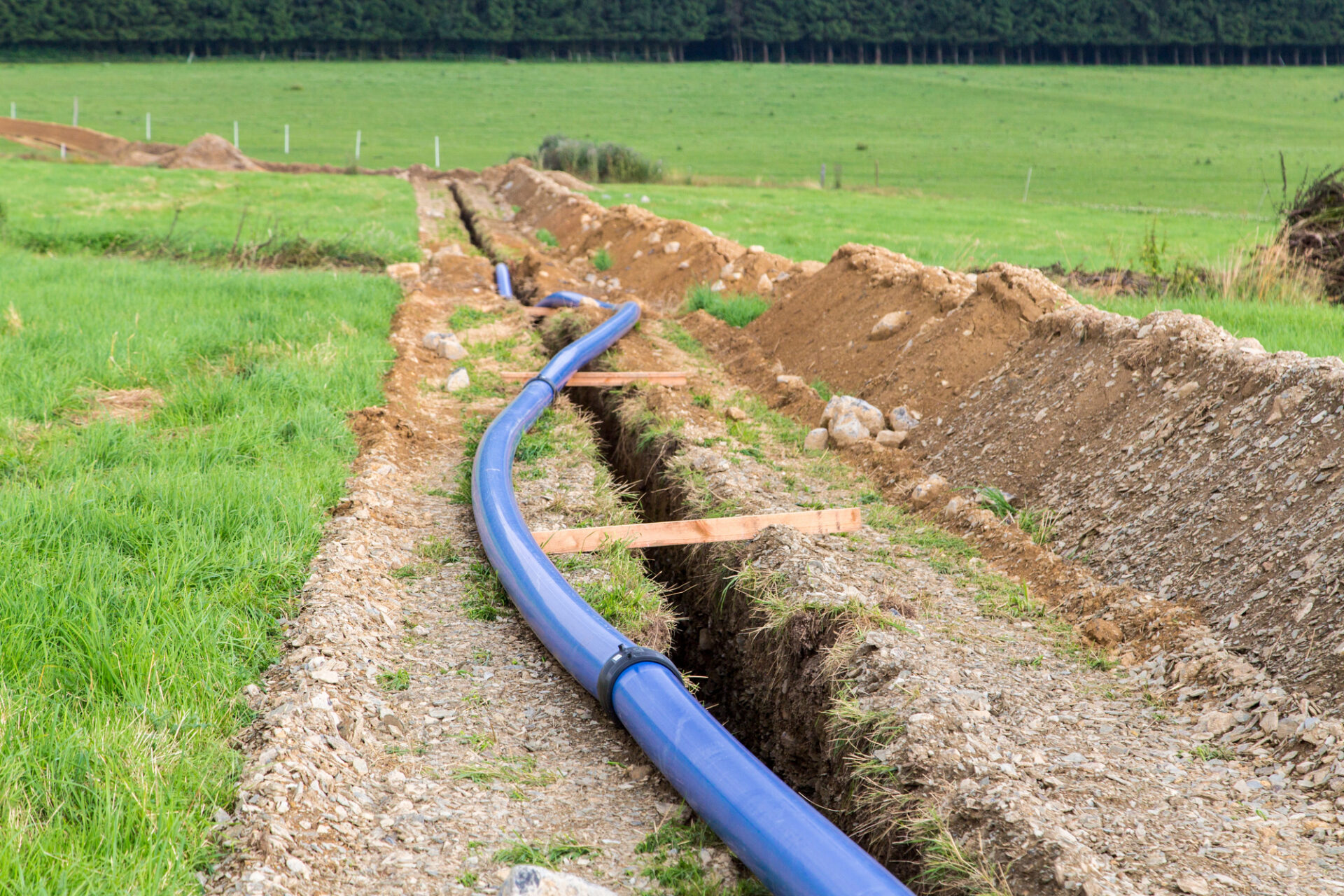
The situation shows up in a few different forms. Somebody's replacing an electric range with a gas one, and there's nothing behind the wall to hook up to. A dryer's going in downstairs where the laundry room used to be upstairs. The patio project got as far as the fire pit, and now the question is whether hauling propane tanks out there forever is really the plan. In every version of it, the appliance is the easy part, and the pipe is what everything's waiting on.
Distance and sizing are what make it more involved than it looks from the outside. Gas has to travel from the meter to the appliance with enough pressure left at the end to run it properly, and every foot of pipe and every turn takes a little off that. Load matters too, since a line already feeding a furnace, water heater, and range has only so much left to give before adding one more thing starves everything on it. Then there's the route, which has to get from point A to point B through joists, walls, or under a slab without ending up somewhere it can be damaged, or somewhere nobody can reach it later.
Work starts with the meter and what's already hanging off it. We add up the demand from everything currently connected, figure the run to where the new appliance's going, and size the pipe for that total load rather than eyeballing it. Materials are chosen for the application: black iron for most interior runs, and coated or sleeved pipe where it goes underground. Every joint gets tested under pressure before anything's buttoned up, permits get pulled where the jurisdiction wants them, and the gas line installation finishes with a full leak check on the finished run. Certain plumbing contractors treat gas as a sideline they'll take on if it's easy, unlike doing it every week.
The outcome's an appliance that runs as the manufacturer intended, on a line that's properly sized and up to code. Nothing on that circuit gets shorted when two things fire at once, an inspector has no complaints, and the pipe stays out of the way where it belongs. You get the range, the dryer, or the fire pit you were after, and the gas side of it stops being something you think about.
Here's the full range of gas work we take on for homes and small commercial buildings across Carbon and Emery counties.
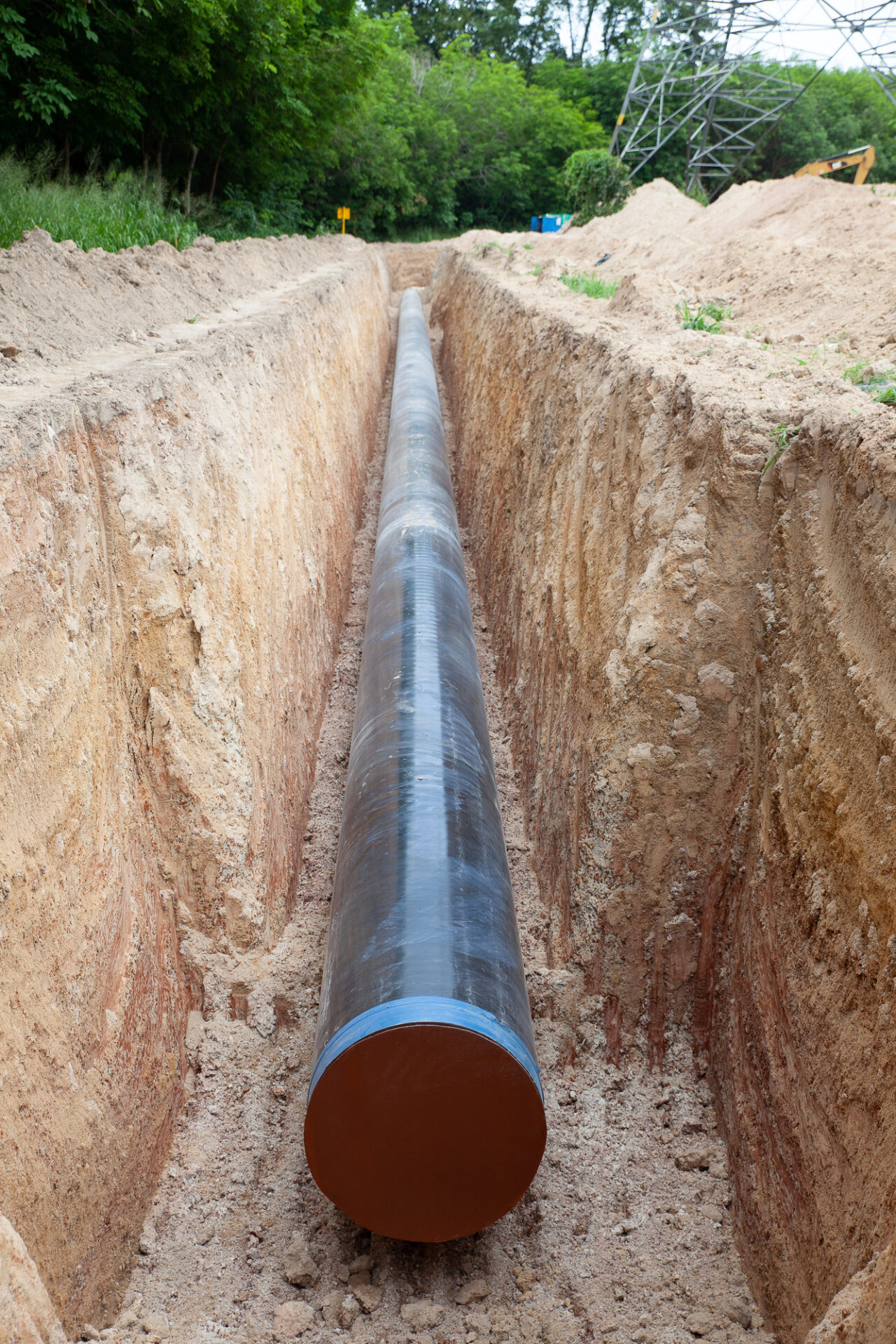
Every jurisdiction has its own requirements for materials, joint methods, support spacing, and testing, and none of that's optional. All of our piping complies with current codes, and permits are pulled where required. Doing it that way also matters when you sell a property, since gas work that can't pass inspection turns into a problem at closing.
Houses make up the bulk of the gas line service work we do, from a single appliance hookup to piping a whole home. Ranges, dryers, water heaters, furnaces, and outdoor features all get handled.
Restaurants, shops, and small offices tend to have heavier appliance loads and tighter scheduling than a house does. Kitchen equipment, water heaters, and heating gear are all sized to the available supply so nothing underperforms during a rush. Work gets planned around your hours as much as possible.
The smell is the obvious sign, though a hissing near a connection or a dead patch of grass over a buried line counts too. Gas leak detection means testing the system under pressure and checking connections with proper equipment to find the source rather than guess at it. Anything we find gets repaired and then retested before the system goes back in service.
Adding a line to reach a new spot is usually simpler than starting over, provided the existing system has capacity left. Extensions run out to garages, shops, additions, and appliances that moved to a different room. Available load is checked first, since that determines whether an extension works or a new run makes more sense.
An annual gas line inspection catches corrosion, loose connections, and aging fittings while they're still minor. Older homes benefit most, particularly those where nobody knows when the piping was installed or who did the work. Buyers and sellers ask for these too, and we're glad to handle them.
New lines are sized to the appliance and the system's total load, then routed to remain protected and accessible. Interior and exterior runs both fall under this, along with underground lines out to detached structures. Testing and a leak check finish every job before we call it done.
Corroded pipe, failed fittings, and damaged sections all fall under gas line repair, and most of it's contained work once the trouble spot's located. Isolating the affected run keeps the rest of the system usable while the fix happens. Testing follows every repair, without exception.
Some systems are old enough or have enough corrosion that patching individual spots no longer makes sense. A gas line replacement puts in a new pipe sized correctly for what the building actually uses now, which is often different from what it used when the original went in.
Building from scratch means the gas system is designed around the finished house rather than worked into framing that's already up. Coordinating with your builder, we lay out runs for every appliance and leave room for anything that might be added later. Both rough-in and final connections fall to us.
A permanent line to the grill means no more running out mid-cookout or hauling tanks to town for a refill. Placement, burial depth, and the shutoff location are all planned around how your patio is actually used. Materials rated for outdoor and underground use are what go in.
Fire pits need a line sized for their burner output, which is often higher than people expect. Running gas out to a pit involves the same underground work as a grill line, with the connection set where it stays protected and reachable. Coordinating with a landscaper or patio contractor is no trouble if one's already on the job.
Cold showers and slow-heating tanks usually mean something needs attention, and our water heater installation and repair services cover repairs, replacements, maintenance, and new construction. We work with tankless, electric, and heat pump residential and commercial water heaters, helping you choose an option that fits your hot water needs and energy goals.
When a buried pipe starts leaking or a sewer line wears out, we provide sewer and water line services for repairs, replacements, underground laterals, aboveground piping, and main water service lines after the municipal connection. Our work also includes pipe replacement, utility line installation, and new construction water lines for homes, businesses, and property upgrades.
From dripping faucets and running toilets to hidden pipe leaks, our plumbing repairs and leak detection services help us track down the source and recommend a practical fix. We handle fixture repairs, garbage disposal repair and installation, troubleshooting, water leak repairs, and service calls for residential and small commercial properties, but we don't provide drain cleaning.
Planning a kitchen update, bathroom remodel, or new build can involve more plumbing decisions than most people expect, which is where our plumbing installation and remodeling experience comes in handy. We install fixtures, sinks, faucets, toilets, dishwashers, appliance hookups, ice maker lines, washing machine connections, outdoor hose bibs, and more.
A yearly checkup can uncover worn parts and small leaks before they create a much bigger headache, so our plumbing maintenance plans include inspections, preventive care, system evaluations, and early problem detection. We can also check fixtures, gas lines, water heaters, and potential leaks, and provide priority scheduling for residential and commercial plan members.
Gas work rewards picking carefully, so here's what you're getting with us.
Certification in plumbing and gas line installation procedures backed by three decades in the field means a licensed plumber doing the work, not somebody treating gas as an occasional favor.
Adding a line or replacing an aging system can run into real money, so ask about financing, and we'll walk through what's available.
Getting a look at your setup and a written quote costs nothing, making it easier to compare companies.
One year of labor coverage comes standard on every job, with manufacturer warranties on materials and equipment.
Yes, a licensed plumber can extend properly sized gas piping to an outdoor BBQ or fire pit while accounting for appliance demand, pipe length, and local code requirements. Because this type of gas line services project may involve digging, Utah law requires an underground utility notice at least 48 hours before excavation begins.
A gas line installation often requires a permit and inspection because the work affects a building's fuel-gas system. Requirements vary by location and project, so homeowners should ask Price City about the current rules before scheduling gas line services.
Rust, damaged fittings, recurring leaks, exposed piping, or an inspection failure may indicate a gas line problem. A plumber who provides gas line services can inspect the piping and recommend repair when the damage is isolated, or replacement when the system shows broader wear.
A simple appliance connection or short extension may take part of a day, while new construction piping and longer underground runs can take longer. The schedule for gas line services depends on pipe routing, appliance demand, permits, inspections, excavation, and access to the work area.
Leave the building immediately, move to a safe location, and call 911, then the natural gas utility. Don't search for the leak, operate switches, use a phone inside, or adjust gas valves before trained responders and gas line services professionals declare the area safe.
FAQs reviewed by Kurt Madsen, owner of The Swell Plumber, a certified and experienced plumber in Price, UT.
Give us a call and tell us what you're hooking up, and we'll figure out what it takes and what it costs.
Business Name: The Swell Plumber
Address: Price, UT, 84501
Phone: 801-636-9052
Business Hours:
Monday–Friday: 9:00 AM to 5:00 PM
Closed Saturday and Sunday.
Ask us about Financing options
See Our Facebook Page for Current Coupons & Special Offers
1-Year Labor Warranty & Manufacturer Warranties Available